
You have a CAD model ready for prototyping. But which material should you choose?
Material selection for CNC prototyping is one of the most critical decisions in product development. The right material ensures your prototype performs as intended, fits your budget, and can transition smoothly to production.
At KaiSpeed, we help engineers, procurement professionals, and product teams navigate exactly this decision. This guide compares the most common CNC prototyping materials — aluminum, steel, titanium, brass, and engineering plastics — across strength, machinability, cost, and application fit.
[Explore our CNC prototyping services] – see how we machine these materials.
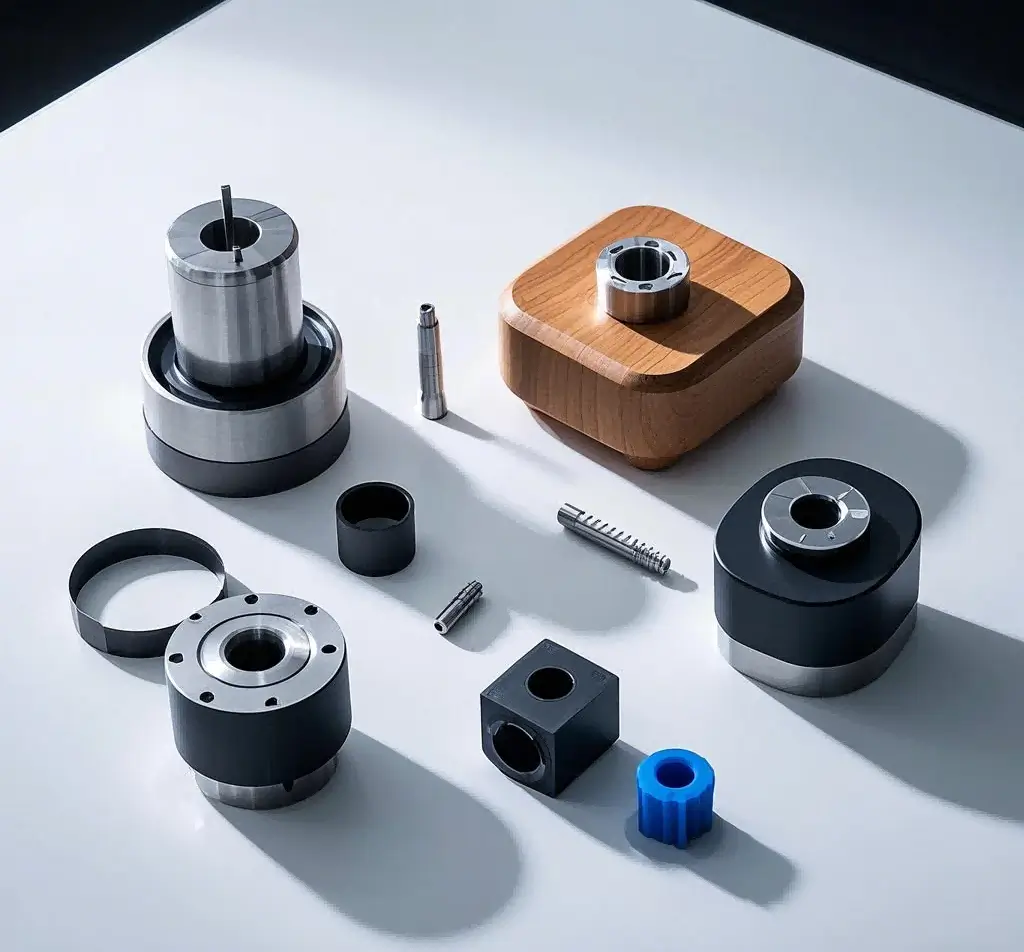
Why Material Selection for CNC Prototyping Matters
CNC prototyping is a subtractive manufacturing process: a solid block of material is cut away to create your part. The material you choose affects everything:
| Factor | Impact on Your Project |
|---|---|
| Mechanical properties | Strength, stiffness, durability under load |
| Machinability | Cycle time, tool wear, surface finish quality |
| Cost | Raw material price + machining time + finishing |
| Functionality | Does the prototype behave like the final production part? |
| Lead time | Some materials are faster to machine than others |
Choosing the wrong material can lead to prototypes that fail during testing, budgets that overrun, or designs that cannot be scaled to production.
[our material selection guide] – explore all options.
Quick Comparison: Common CNC Prototyping Materials
| Material | Strength | Machinability | Relative Cost | Weight | Corrosion Resistance | Best For |
|---|---|---|---|---|---|---|
| Aluminum 6061 | Medium | Excellent | Low | Light | Good | General prototyping, aerospace, automotive |
| Aluminum 7075 | High | Good | Medium | Light | Good | High-stress, weight-critical parts |
| Stainless Steel 303/304 | High | Moderate | Medium | Heavy | Excellent | Medical, food, industrial components |
| Stainless Steel 316 | High | Moderate | High | Heavy | Very High | Marine, chemical exposure |
| Mild Steel 1018 | Medium | Good | Low | Heavy | Poor | Structural prototypes, low-cost testing |
| Brass C360 | Medium | Excellent | Medium | Moderate | Good | Electrical connectors, decorative parts |
| Titanium Grade 5 | Very High | Low | Very High | Moderate | Excellent | Aerospace, medical implants, high-performance |
| ABS | Low | Excellent | Low | Light | Poor | Concept models, housings, low-stress parts |
| PEEK | High | Moderate | Very High | Light | Very High | High-temperature, chemical-resistant applications |
| Nylon 6/6 | Medium | Good | Low | Light | Moderate | Gears, bushings, wear-resistant parts |
| Polycarbonate (PC) | Medium | Good | Low | Light | Moderate | Transparent prototypes, impact-resistant housings |
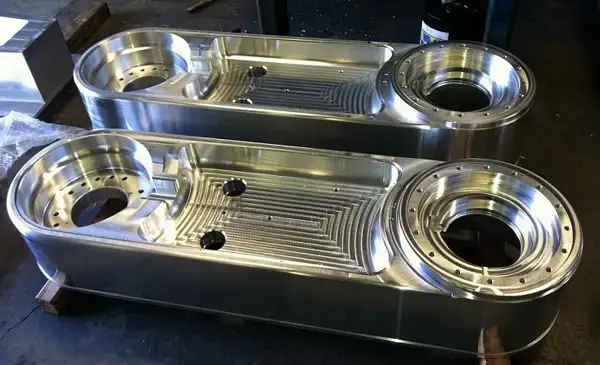
Material Selection Framework: 6 Key Factors
When evaluating material selection for CNC prototyping, work through these six factors in order.
1. Mechanical Properties (Strength, Stiffness, Toughness)
Ask yourself: What loads will this prototype experience?
- Tensile strength – Maximum pulling force before breaking
- Yield strength – Force at which permanent deformation begins
- Elastic modulus (stiffness) – Resistance to bending/deflection
- Impact toughness – Ability to absorb shock without cracking
| Material | Tensile Strength (MPa) | Yield Strength (MPa) | Elastic Modulus (GPa) |
|---|---|---|---|
| Aluminum 6061 | 310 | 276 | 69 |
| Aluminum 7075 | 572 | 503 | 72 |
| Stainless 304 | 621 | 310 | 193 |
| Mild Steel 1018 | 440 | 370 | 205 |
| Titanium Grade 5 | 950 | 880 | 114 |
| PEEK | 100 | 70 | 3.6 |
| ABS | 40 | 30 | 2.0 |
Rule of thumb: For structural or load-bearing prototypes, choose metal. For non-structural housings or concept models, plastic may suffice.
2. Machinability
Machinability affects cycle time, tool wear, and surface finish. Materials that are easier to machine cost less and ship faster.
| Material | Machinability Rating (1-10, 10=best) | Notes |
|---|---|---|
| Aluminum 6061 | 9/10 | Very easy, good chip formation |
| Brass C360 | 10/10 | Excellent, ideal for complex parts |
| ABS / Nylon | 9/10 | Easy, but heat-sensitive |
| Mild Steel | 7/10 | Good with proper tooling |
| Stainless Steel | 5/10 | Work-hardens; requires rigid setup |
| Titanium | 3/10 | Challenging; low thermal conductivity |
| PEEK | 6/10 | Requires sharp tools, careful heat control |
Rule of thumb: For rapid iterations and low-cost prototypes, start with aluminum or ABS. Save titanium and stainless steel for functional testing where actual material properties matter.
3. Cost: Raw Material + Machining + Finishing
Total cost includes three components:
| Cost Component | Aluminum | Steel | Titanium | Plastics |
|---|---|---|---|---|
| Raw material cost | $ | $$ | $$$$ | $–$$$ |
| Machining time | Low | Moderate | High | Low |
| Tool wear | Low | Moderate | High | Very low |
| Finishing cost | Low (optional) | Moderate (if needed) | Low | Low |
Rule of thumb: For functional testing on a budget, aluminum offers the best value. For low-cost concept models, ABS or nylon are ideal.
4. Weight and Density
In aerospace, automotive, and portable devices, weight is critical.
| Material | Density (g/cm³) | Relative Weight (vs Aluminum) |
|---|---|---|
| Magnesium | 1.74 | 35% lighter |
| Aluminum | 2.70 | Baseline |
| Titanium | 4.51 | 67% heavier |
| Steel | 7.85 | 190% heavier |
| Plastics (ABS, Nylon) | 1.0–1.2 | 55–60% lighter |
Rule of thumb: For weight-critical prototypes (drones, aerospace, handheld devices), consider aluminum, magnesium, or high-performance plastics.
5. Corrosion and Chemical Resistance
Will the prototype be exposed to moisture, salt, chemicals, or outdoor conditions?
| Material | Corrosion Resistance | Notes |
|---|---|---|
| Stainless Steel 316 | Excellent | Resists saltwater and most chemicals |
| Stainless Steel 304 | Good | Resists atmospheric corrosion |
| Titanium | Excellent | Inert to most chemicals |
| Aluminum (uncoated) | Good | Forms protective oxide layer |
| Mild Steel | Poor | Rusts easily; needs coating |
| PEEK | Excellent | Resists most chemicals at high temps |
| ABS / Nylon | Fair | Avoid prolonged water exposure |
Rule of thumb: For outdoor, marine, or medical applications, choose stainless steel, titanium, or PEEK.
6. Thermal Resistance
Will the prototype see high temperatures or temperature cycling?
| Material | Max Continuous Service Temp | Notes |
|---|---|---|
| Titanium | ~600°C | Excellent high-temp strength |
| Stainless Steel | ~800°C | Good for exhaust, engine components |
| Aluminum | ~200°C | Loses strength above 150°C |
| PEEK | ~250°C | Best high-temp plastic |
| ABS | ~80°C | Not for high-heat applications |
| Nylon | ~100°C | Moderate heat resistance |
Rule of thumb: For high-temperature environments, use stainless steel, titanium, or PEEK.
Material Selection by Application
Use this decision matrix to match your prototype application to the best material.
Aerospace Prototypes
| Requirement | Recommended Material | Why |
|---|---|---|
| Lightweight + strong | Aluminum 7075 | High strength-to-weight ratio |
| Extreme strength + weight | Titanium Grade 5 | Best performance, higher cost |
| High-temperature components | Stainless steel 316 | Heat resistance |
| Non-structural interior parts | ABS or Nylon | Cost-effective concept testing |
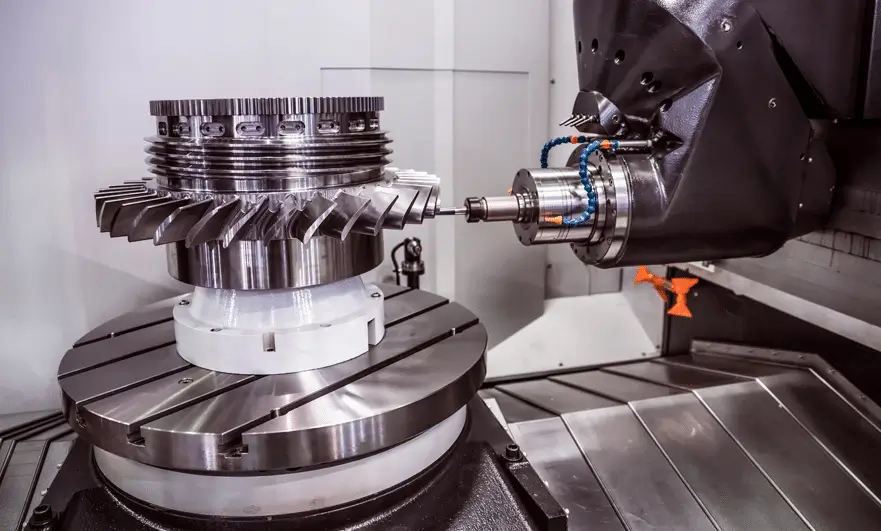
Automotive Prototypes
| Requirement | Recommended Material | Why |
|---|---|---|
| Engine components | Aluminum 6061 or 7075 | Lightweight, good thermal conductivity |
| Structural brackets | Mild steel or stainless | High strength, low cost |
| Interior trim/housings | ABS or Polycarbonate | Easy machining, good surface finish |
| Gears, bushings, wear parts | Nylon 6/6 or Acetal (POM) | Low friction, wear resistance |
Medical Device Prototypes
| Requirement | Recommended Material | Why |
|---|---|---|
| Surgical instruments | Stainless Steel 304/316 | Sterilizable, corrosion resistant |
| Implants (testing only) | Titanium Grade 5 | Biocompatible (certified required for production) |
| Device housings | ABS or Polycarbonate | Cost-effective, can be sterilized |
| Chemical-resistant components | PEEK | Resists sterilization chemicals |
Consumer Electronics Prototypes
| Requirement | Recommended Material | Why |
|---|---|---|
| Enclosures, housings | Aluminum 6061 | Lightweight, premium feel, good heat dissipation |
| Concept models | ABS | Low cost, fast machining |
| Transparent housings | Polycarbonate or Acrylic | Optical clarity |
| Heat sinks | Aluminum 6061 | Excellent thermal conductivity |
Industrial Equipment Prototypes
| Requirement | Recommended Material | Why |
|---|---|---|
| High-load structural parts | Stainless steel or mild steel | Strength and durability |
| Wear-resistant components | Nylon or Acetal (POM) | Low friction, self-lubricating |
| Chemical pump housings | PEEK or Stainless 316 | Chemical resistance |
| Valve components | Brass | Corrosion resistance, machinability |
Metal vs Plastic for CNC Prototyping: Which to Choose?
| Factor | Choose Metal When… | Choose Plastic When… |
|---|---|---|
| Strength | High load-bearing required | Low to medium loads |
| Stiffness | Deflection is critical | Flexibility acceptable |
| Temperature | High heat exposure | Ambient or low heat |
| Corrosion | Harsh environments | Indoor, dry conditions |
| Weight | Aluminum/titanium for lightweight | Already light |
| Cost | Budget allows | Strict budget constraints |
| Appearance | Premium metal finish needed | Painting or coating acceptable |
| Prototype purpose | Functional testing with real material properties | Form/fit testing only |
Key insight: If your final production part will be metal, prototype in aluminum. If it will be molded plastic, prototype in ABS or nylon (not machined from solid plastic — but that’s often acceptable for low volumes).
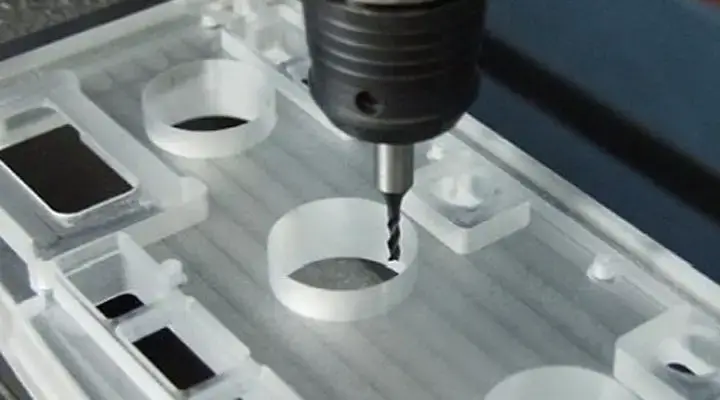
Cost Optimization Tips for CNC Prototyping
1. Choose readily available materials – Common grades like 6061 aluminum, 304 stainless, and ABS are cheaper and have shorter lead times than specialty alloys.
2. Avoid overspecifying – Do you really need titanium? Will 6061 aluminum work instead of 7075? Will 304 stainless work instead of 316?
3. Design for machinability – Avoid deep pockets, sharp internal corners, and extreme aspect ratios. These features increase machining time regardless of material.
4. Combine prototyping with production planning – If you plan to produce in aluminum, prototype in the same alloy. Material properties will transfer directly.
5. Consider plastic for form/fit prototypes – If you only need to check dimensions and assembly, ABS or nylon is far cheaper than metal.
FAQ
Q1: What is the best material for general-purpose CNC prototyping?
A: Aluminum 6061 is the most popular choice. It offers excellent machinability, good strength, light weight, corrosion resistance, and moderate cost. It is suitable for most functional prototypes.
Q2: How do I choose between aluminum and steel for my prototype?
A: Choose aluminum if weight matters or corrosion resistance is needed. Choose steel if you need higher strength, stiffness, or wear resistance. For most prototypes, aluminum is sufficient and more cost-effective.
Q3: Is it cheaper to prototype in plastic or metal?
A: Plastic (ABS, nylon) has lower raw material cost and faster machining, making it cheaper for non-structural prototypes. However, if your production part will be metal, prototyping in aluminum is recommended to validate material properties.
Q4: Can I use the same material for prototyping and production?
A: Yes, ideally. Using the same material ensures that mechanical properties, machinability, and surface finish translate directly from prototype to production. This is common with aluminum, stainless steel, and many plastics.
Q5: What material is best for high-strength, lightweight prototypes?
A: Aluminum 7075 offers excellent strength-to-weight ratio. For even higher performance, Titanium Grade 5 is stronger but significantly more expensive and harder to machine.
Q6: What is the easiest metal to machine for prototypes?
A: Aluminum 6061 and Brass C360 are the easiest metals to machine. Both produce good surface finishes with low tool wear and fast cycle times.
Q7: What plastic is best for functional testing?
A: ABS is good for general use. Nylon or Acetal (POM) are better for wear parts like gears and bushings. PEEK is best for high-temperature or chemical-resistant applications.
Q8: How does material selection affect CNC prototyping lead time?
A: Materials that are easy to machine (aluminum, brass, ABS) have shorter lead times. Hard materials (titanium, stainless steel, PEEK) require slower cutting speeds and more frequent tool changes, increasing lead time.
Summary: Material Selection Decision Matrix
Use this quick reference to guide your material selection for CNC prototyping:
| If your priority is… | Choose this material |
|---|---|
| Lowest cost | ABS plastic or aluminum 6061 |
| Fastest machining | Aluminum 6061 or ABS |
| Lightest weight | Magnesium or aluminum |
| Highest strength | Titanium or stainless steel |
| Best corrosion resistance | Stainless steel 316 or titanium |
| High temperature | Stainless steel, titanium, or PEEK |
| Wear resistance / low friction | Nylon, Acetal (POM), or hardened steel |
| Electrical conductivity | Brass or aluminum |
| Medical / biocompatible | Stainless steel 316 or titanium |
| Transparent | Polycarbonate or acrylic |
| Best all-around value | Aluminum 6061 |
Why KaiSpeed for Your CNC Prototyping Materials?
At KaiSpeed, we don’t just machine parts — we help you select the right material for your application, timeline, and budget.
What we offer:
- Wide material range – Aluminum, steel, stainless, titanium, brass, copper, ABS, nylon, PEEK, polycarbonate, and more
- Material expertise – Engineers who understand mechanical properties, machinability, and cost trade-offs
- Fast turnaround – Prototypes in as few as 5 days
- Quality inspection – CMM verification for critical dimensions
- Single-source accountability – From material selection to finished part
One supplier. One quality standard. One shipment.
[Request a quote for your prototype] – Upload your CAD file. Tell us your application. We will recommend the best material and provide a firm quote within 24 hours.
Final Thoughts
Material selection for CNC prototyping does not have to be overwhelming. Start with your application requirements — strength, weight, cost, corrosion, temperature — and use the tables above to narrow your options.
For most B2B engineering projects, aluminum 6061 is the safe default. It machines well, performs reliably, and fits most budgets. When you need specific properties — extreme strength, corrosion resistance, high temperature — step up to stainless steel, titanium, or PEEK.
Need help deciding? Email our engineering team your CAD file and application notes. We will respond with a material recommendation and quote within 48 hours.
KaiSpeed: Precision CNC prototyping. Engineered material solutions.