
Precision machining determines the shape of a part — but surface finishing determines its real-world performance.
For engineers, procurement managers, and product leaders, selecting the correct surface finishing processes is essential. Surface treatments influence corrosion resistance, wear resistance, friction, electrical properties, and even product aesthetics.
Without proper finishing, even a precisely machined part may fail prematurely in demanding environments.
At KaiSpeed, surface finishing is integrated with our precision CNC machining services to ensure every component meets both performance and appearance requirements.
This guide explains the most common surface finishing processes, their industrial applications, and how to select the right finish for your project.
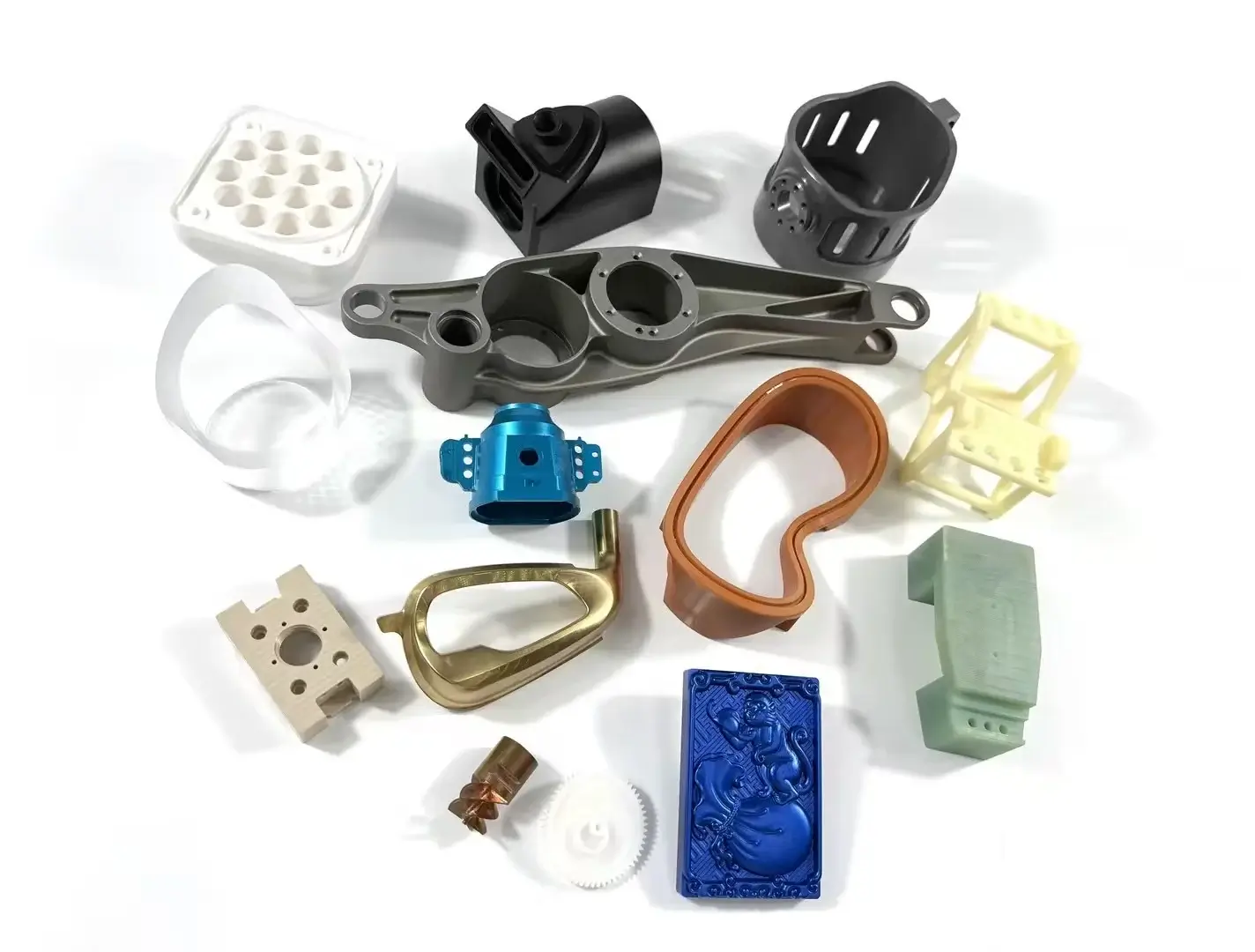
What Are Surface Finishing Processes?
Surface finishing processes are post-machining treatments applied to metal or plastic parts to modify surface properties such as durability, corrosion resistance, friction behavior, or appearance.
In modern manufacturing, finishing processes are used to:
- improve corrosion resistance
- increase wear resistance
- enhance product aesthetics
- reduce friction between components
- prepare surfaces for coatings or adhesives
Common surface finishing processes include anodizing, powder coating, electroplating, media blasting, passivation, and polishing.
6 Most Common Surface Finishing Processes
The most widely used surface finishing processes in manufacturing include:
- Anodizing – Improves corrosion and wear resistance for aluminum parts
- Powder Coating – Creates a durable protective layer for industrial equipment
- Electroplating – Deposits a thin metal layer to enhance conductivity or corrosion resistance
- Media Blasting – Produces a uniform matte texture
- Passivation – Improves corrosion resistance for stainless steel
- Polishing and Grinding – Creates extremely smooth or mirror-like surfaces
These finishing methods are commonly combined with CNC prototyping services to validate both function and appearance before full production.
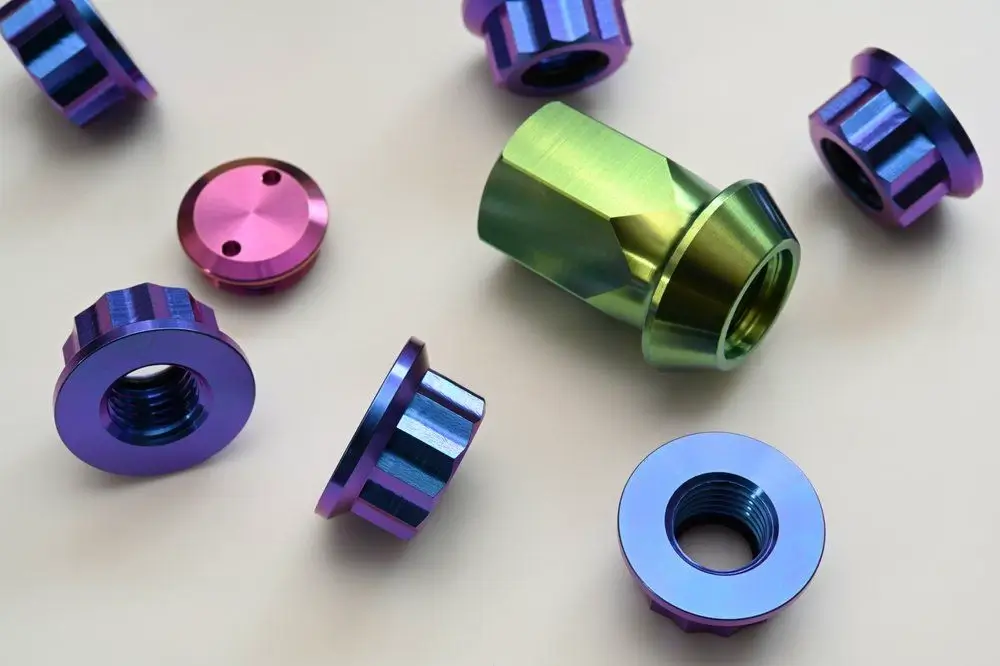
Comparison of Common Surface Finishing Processes
| Surface Finishing Process | Best For | Common Materials | Typical Industry Use |
|---|---|---|---|
| Anodizing | Corrosion and wear resistance | Aluminum | Aerospace, electronics |
| Powder Coating | Durable protective coating | Steel, aluminum | Industrial machinery |
| Electroplating | Conductivity and corrosion protection | Steel, brass | Electrical components |
| Media Blasting | Matte cosmetic finish | Most metals | Consumer products |
| Passivation | Corrosion resistance | Stainless steel | Medical equipment |
| Polishing | Ultra-smooth surface | Metals & plastics | Optics, molds |
Why Surface Finishing Matters
Choosing the correct surface finishing process significantly improves part performance.
| Benefit | Description |
|---|---|
| Corrosion Protection | Prevents oxidation and environmental damage |
| Wear Resistance | Extends the lifespan of mechanical components |
| Improved Appearance | Provides a professional and high-quality look |
| Reduced Friction | Improves efficiency of moving parts |
| Surface Preparation | Enables strong coating or adhesive bonding |
Surface finishing is therefore a functional engineering decision rather than just a cosmetic step.
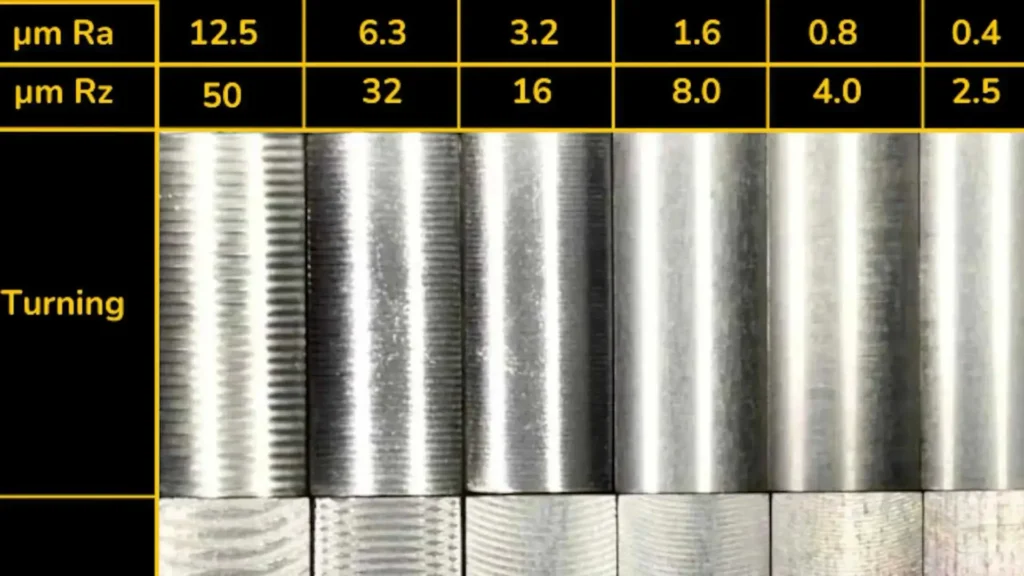
Surface Roughness (Ra) Comparison
Surface roughness directly affects friction, sealing capability, and visual appearance.
| Surface Finish | Typical Roughness (Ra) | Appearance |
|---|---|---|
| As-machined CNC | 3.2 – 6.3 µm | Visible tool marks |
| Media blasting | 1.6 – 3.2 µm | Uniform matte |
| Brushed finish | 0.8 – 1.6 µm | Linear texture |
| Standard anodizing | 0.8 – 1.6 µm | Smooth satin |
| Polishing | 0.2 – 0.8 µm | High gloss |
| Mirror polishing | <0.1 µm | Mirror finish |
Lower Ra values indicate smoother surfaces and reduced friction, which is critical for precision mechanical components.
Surface Finishing Selection Guide
Choosing the right surface finishing process depends on the material, environment, and performance requirements.
| Requirement | Recommended Finish |
|---|---|
| Aluminum corrosion protection | Anodizing |
| Durable coating | Powder coating |
| Electrical conductivity | Electroplating |
| Matte cosmetic appearance | Media blasting |
| Stainless steel corrosion protection | Passivation |
| Ultra-smooth surface | Polishing |
Manufacturers often combine finishing methods with precision CNC machining services to achieve optimal results.
Industrial Applications of Surface Finishing
Different industries use surface finishing to solve specific engineering challenges.
Aerospace and Defense
Aerospace components must withstand extreme temperatures, vibration, and corrosion.
Hard anodizing provides:
- excellent wear resistance
- strong corrosion protection
- minimal added weight
This process is widely used in parts produced using CNC machining services for aluminum parts.
Medical Devices
Medical equipment requires hygienic surfaces and corrosion resistance.
Common finishing methods include:
- passivation
- electropolishing
These finishes create smooth surfaces that are easier to sterilize and maintain.
Consumer Electronics
Electronic product housings require premium appearance and scratch resistance.
Popular finishing methods include:
- brushed finishing
- clear anodizing
These processes create durable and attractive metal surfaces.
Automotive Industry
Automotive components require durability and protection from environmental exposure.
Typical finishing methods include:
- powder coating
- electroplating
- polishing
These treatments protect parts against corrosion, vibration, and wear.
Cost Comparison of Surface Finishing Processes
Different finishing methods vary significantly in cost.
| Surface Finishing Process | Relative Cost | Production Volume |
|---|---|---|
| Media blasting | Low | Prototypes |
| Passivation | Low | High-volume parts |
| Powder coating | Low – Medium | Medium batches |
| Anodizing | Medium | Prototype to mass production |
| Electroplating | Medium – High | Industrial components |
| Precision polishing | High | High-end precision parts |
Understanding cost differences helps procurement teams select the most efficient finishing method.
Material Compatibility with Surface Finishing
| Material | Recommended Finishes |
|---|---|
| Aluminum | Anodizing, brushing, polishing |
| Stainless steel | Passivation, electropolishing |
| Carbon steel | Powder coating, plating |
| Brass | Polishing, plating |
| Titanium | Polishing, anodizing |
Not every finishing process works on every material, so compatibility must be considered during design.
Why Choose KaiSpeed for Surface Finishing
KaiSpeed integrates machining and finishing into a single manufacturing workflow.
Our capabilities include:
- high-precision precision CNC machining services
- integrated finishing and post-processing
- support for prototypes and high-volume production
- strict dimensional inspection and quality control
This integrated approach ensures shorter lead times and consistent part quality.
Get Expert Surface Finishing for Your CNC Parts
Surface finishing plays a critical role in the durability and performance of machined components.
KaiSpeed provides complete CNC machining and finishing solutions for prototypes and production parts.
Our engineers will help you choose the optimal finishing process based on your material, application, and tolerance requirements.
Upload your design files today to receive an instant online CNC machining quote and expert manufacturing support.